


|
How to Sprout BeansGrow Fresh Bean Sprouts At Home
When you know how to sprout beans you know how to create a significant nutrient source cheaply, quickly and easily. Increase your vitamin and mineral intake, boost up your protein and charge your immune system. Here’s how to grow bean sprouts and join the ranks of the home vegetable gardeners with a contribution of only 5 minutes a day. 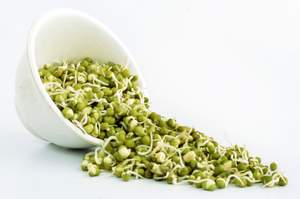
Imagine this. Within a week, for a few dollars, you could be joining the ranks of those who grow their own food at home. You could be growing your own major protein source and only have to give up jar space on a kitchen bench to do it. Sprouts vary in tastes and textures. You can experiment with types and recipes whilst significantly improving your diet. Where To Buy Sprouting BeansMost health food shops sell sprout mixes which are ideal for beginners learning how to sprout beans. Usually these mixes are targeted towards salads or stir-fries. It’s cheaper to buy beans separately and in larger amounts from bulk bins in health food shops, co-op stores or from internet suppliers. Shopping online usually enables you to select from a greater variety of sprouting beans like those pictured below. Each has it's own unique texture, flavour and nutritional profile.
How To Sprout Beans1. Get a large, clean glass jar. I’d recommend sprouting mung beans to start with because they’re crunchy and fresh-tasting, and if you harvest them while their tails are short (1-2cm) they are even sweet. Hemp sprouting bags are another easy option for beginner sprouters. They're cheap and easy to use. Made from chemical-free, untreated hemp they are naturally resistant to mould and mildew so they can be re-used for years. Just place your sprouting beans in the bag, dip in water and hang. Sprouting Times
Mung sprouts Alfalfa sprouts Sunflower sprouts Adzuki sprouts Fenugreek sprouts Sesame sprouts Types Of SproutersThere are several different
types of sprouters
that you can use for sprouting. The jar method is a cheap and easy place to start when you're experimenting. Once you want to increase the volume of sprouts you produce tray sprouters and automatic sprouters become more useful.
Back to How to Grow Vegetables and Fruit from How to Sprout Beans - Grow Fresh Bean Sprouts At Home
Back to Healthy Eating Guide home from How to Sprout Beans - Grow Fresh Bean Sprouts At Home
Copyright © 2009-2011 www.growingraw.com. All Rights Reserved.
 |
Are you as healthy as you can be?
Take action to lift your energy and vitality levels beyond recognition.

Focus on
building healthy eating habits for just one month with
Veg Up and you’ll enjoy the effects for years. You will amaze yourself when you see how much more you can achieve.
More Growing Raw
Newsletter

Be sure to subscribe to "More Growing Raw" newsletter to receive monthly healthy eating tips, Growing Raw news and updates.
Most Popular Articles
- Green Smoothie Health
- Raw Food Health Levels
- Growing Vegetables in Containers
- Healthy Eating Plans
- List of Healthy Food to Always Eat Organic
- Growing a Vegetable Garden in a Polytunnel
- All Natural Detox Diet
Does your body need a fresh start?
Brighten up with all natural detox routines that give your body a cleansing push towards healthier patterns.

Learn how to
detoxify your body naturally. Your body is smart enough to clean itself without expensive detox pills and potions.