


|
Bee Pollen BenefitsThe Benefits And Side Effects Of Bee Pollen Granules
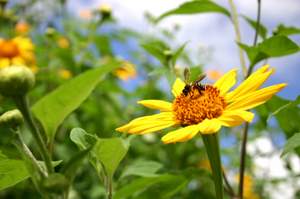
Treasure this superfood! There are scores of bee pollen benefits and it takes a lot of work to collect each precious bee pollen granule. Bee pollen is the main food of young bees and takes worker bees ages to collect – nearly 250 hours per teaspoon! There's no easy way around all this effort either. Some magical element in natural bee pollen simply can't be replicated by science. Bee pollen that has been synthesised in a laboratory just doesn’t seem to cut it the same way as the authentic article. Pollen looks like golden dust and is the male part of the flower. It's collected by bees as they move from flower to flower, cross pollinating as they go. They collect pollen to take back to the hive for food, especially for the young bees who need extra protein to grow. Pollen is flavoured by the flowers it’s collected from and varies in taste and colour. Bee pollen contains all 22 amino acids and is high in linoleic acid. There are multiple claims about the benefits of bee pollen. It’s a complete superfood, and bee pollen is used to treat an extensive list of ailments and conditions. Athletes take bee pollen to increase their strength and endurance, and it’s also supposed to have beauty benefits. One of the more interesting claims is that it has tumour reducing powers. Researchers investigating the amazing longevity of old Russian beekeepers realised that the honey they kept for themselves after selling and exchanging the “best” honey was the scrapings from the bottom of the hive. These scrapings were dotted with bee pollen granules. The researchers remarked that these beekeepers also retained their mental acuity and memory into their old age. Sounds like a good deal, doesn’t it. There are numerous ways to include bee pollen in your diet. Eat it plain and crunchy, sprinkle it on cereal, soups and salads or add it to smoothies and icecream. You may prefer to purchase your bee pollen still mixed in with the honey, just like the old Russian beekeepers! Bee Pollen DosageAlthough some people use increasing doses of bee pollen as the season approaches to reduce their sensitivity to allergies, be extremely cautious about bee pollen side effects. In some people it can produce severe anaphylactic reactions, so be careful. Start with just one granule to test your reaction then and gradually increase the dose to ½ teaspoon a day. Bee Pollen Tips
Back to Superfoods from Bee Pollen Benefits - The Benefits And Side Effects Of Bee Pollen Granules
Copyright © 2009-2011 www.growingraw.com. All Rights Reserved.
 |
Are you as healthy as you can be?
Take action to lift your energy and vitality levels beyond recognition.

Focus on
building healthy eating habits for just one month with
Veg Up and you’ll enjoy the effects for years. You will amaze yourself when you see how much more you can achieve.
More Growing Raw
Newsletter
Be sure to subscribe to "More Growing Raw" newsletter to receive monthly healthy eating tips, Growing Raw news and updates.
Most Popular Articles
- Green Smoothie Health
- Raw Food Health Levels
- Growing Vegetables in Containers
- Healthy Eating Plans
- List of Healthy Food to Always Eat Organic
- Growing a Vegetable Garden in a Polytunnel
- All Natural Detox Diet
Does your body need a fresh start?
Brighten up with all natural detox routines that give your body a cleansing push towards healthier patterns.
Learn how to
detoxify your body naturally. Your body is smart enough to clean itself without expensive detox pills and potions.