


|
Leaf Mulch and Leafmould
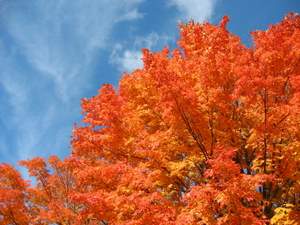
Fallen leaves from deciduous trees and shrubs make excellent leaf mulch that will retain moisture, restrict weeds and provide nutrients to your soil as it rots down. Leafmould, which is simply a form of compost made just from leaves, is finer and can be dug in as a soil improver or used as part of your growing media mix. Leafmould can also be used as a mulch but it’s of more value dug into the soil. Making leaf mould compostWhen Autumn leaves fall from deciduous trees and shrubs, they decay on the ground into leafmould. Leafmould is rich and dark, and easy to make yourself. All you need to do is collect fallen leaves and pile them in a sheltered corner of your garden until they rot down. Shredded leaves will rot faster. This process is generally slow and cold, taking from 9 months to 2 years, depending on the type of leaf. There’s no need to cover the leaves as long as you’ve ensured they won’t blow away. A leafmould pile is a good wildlife attractor, creating a cool and dark habitat for frogs, lizard and beetles. Another easy way to store your leaves to make leafmould is in a dark plastic rubbish bag or old sack. Fill the bag with wet leaves, tie it loosely and make a few holes in it. The best time to collect leaves to make leafmould is after rain, so that the leaves are wet. Don’t collect leaves from nature reserves or protected areas, the soil needs them left there. Avoid collecting leaves from polluted areas such as the nature strips beside busy roads. Even if you don’t intend to make ‘pure’ leafmould compost, you can collect fallen leaves to add to your compost bins or to use as leaf mulch around your plants. Using leaf mulchLeaf mulch is a low fertility soil improver, so can be applied thickly. Settled, leaf mulch should be approximately 10-15cm thick. Leave a space cleared around the base of your plants to keep them clear of rot as the leaves decay. Back to Home Vegetable Gardens from Leaf Mulch and Leafmould
Back to Healthy Eating Guide home from Leaf Mulch and Leafmould
Copyright © 2009-2011 www.growingraw.com. All Rights Reserved.
 |

User Reviews of
Starwest Botanicals
My selection of herbs and spices were delivered quickly and were of the best quality I have seen. Great service, fantastic products. Fresh organic herbs from a supplier I trust. - Susan S.
Overall, it was a very positive experience.... they treated me in an exemplary manner when I first ordered from them. I got exactly the product I needed/ordered/expected vis-a-vis the sprouting wheatgrass seeds. I would certainly order from them again for anything that specific. - geo442